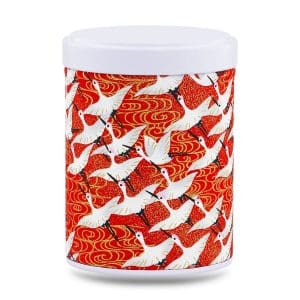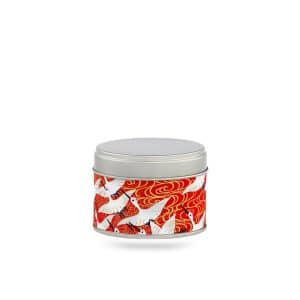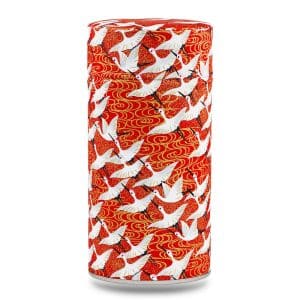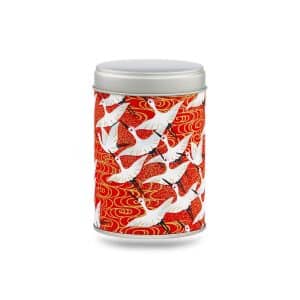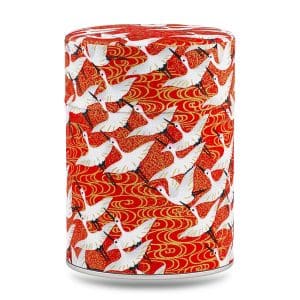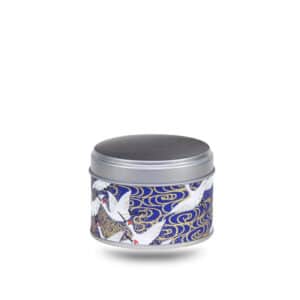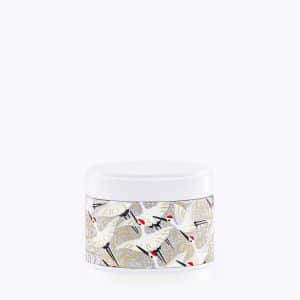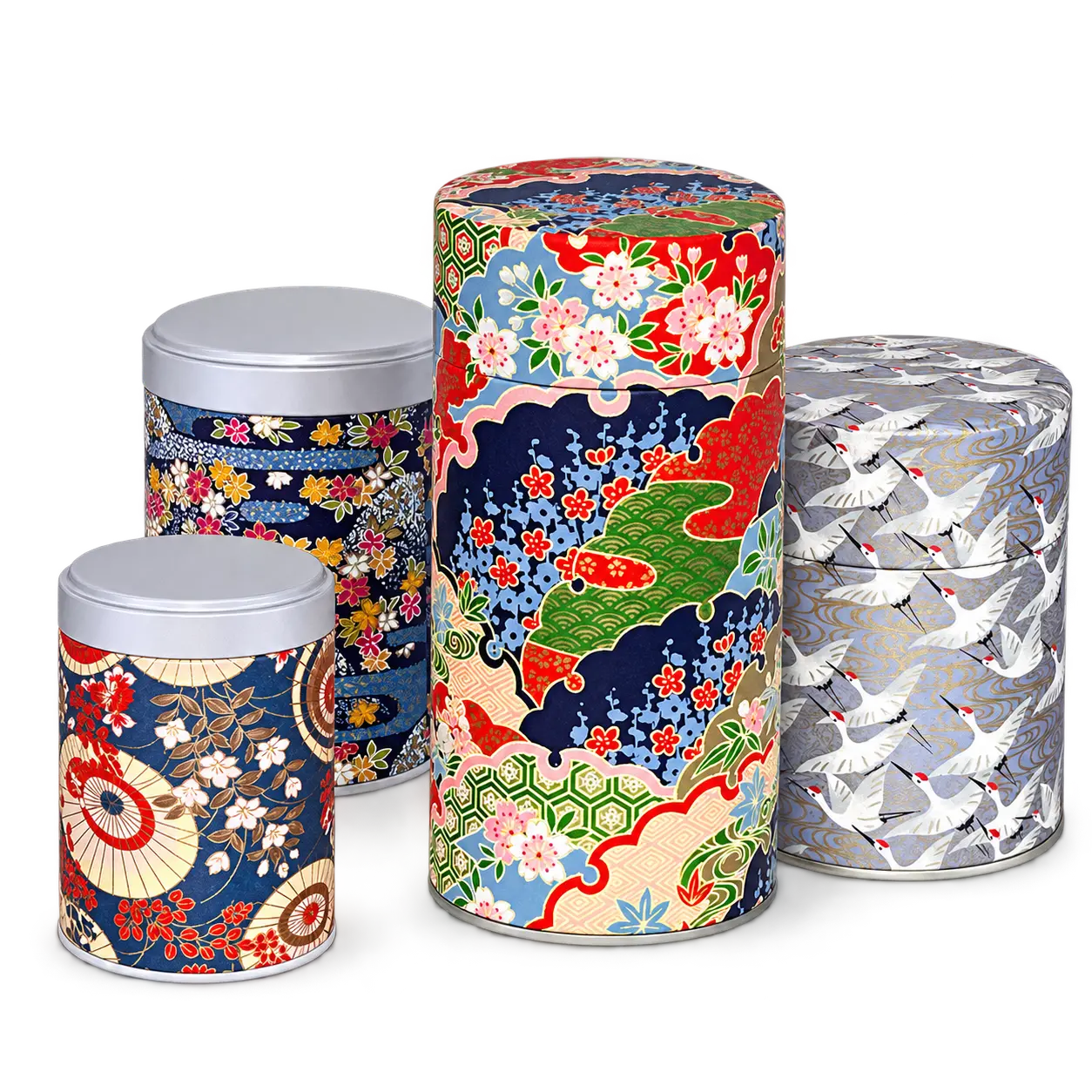
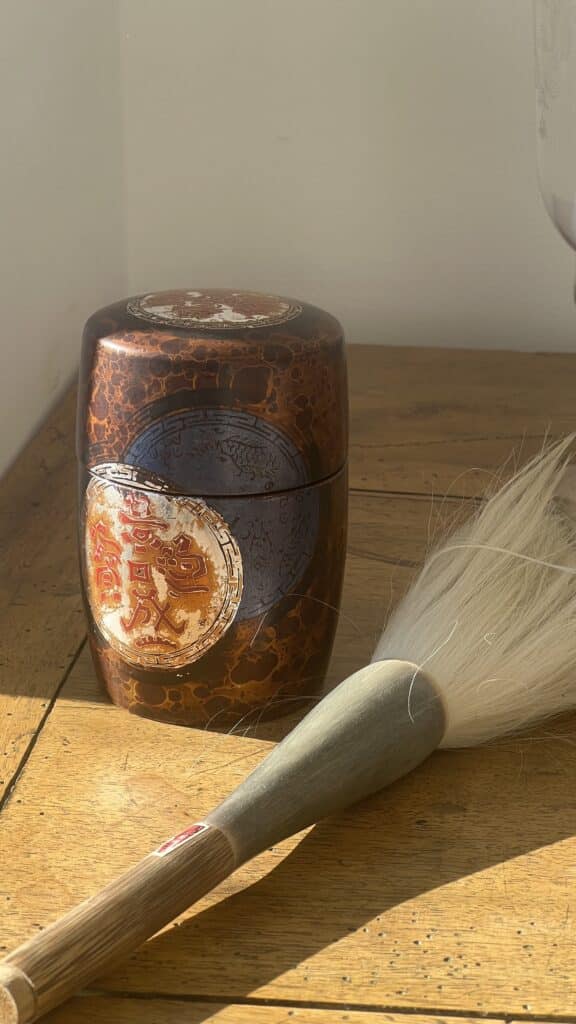


The crane is intimately linked to Japanese culture. It is commonly found on the magnificent fabrics of kimonos, on the washi paper of tea caddies or in the form of origami.
The Japanese crane is emblematic of the archipelago. This sacred bird, often monogamous, with a wingspan of over two meters, is prized for its majesty and beauty, as well as for its spiritual significance. In Japan, the crane symbolizes peace, fidelity, wisdom, luck and longevity.
Many Japanese tales feature cranes, such as La gratitude d’une grue or La grue blanche.
The crane has become an international symbol of peace through the legend of the 1000 cranes. This legend tells that if you fold 1000 paper cranes together in the form of a garland, you can have your wish for health, longevity, love or happiness granted. It was upon hearing this legend that Sadako Sasaki, a little girl irradiated during the Hiroshima bombing, set about folding 1000 cranes. She didn’t have the time to succeed, but her moving story led to the erection of the Children’s Peace Monument in her likeness in Hiroshima in 1958. Even today, several million origami cranes are sent there every year as a symbol of peace.

If you too would like to send your cranes as a symbol of peace to Hiroshima, here’s the address for sending them, and a tutorial on how to make an origami crane:
Peace Promotion Division, International Peace Promotion Department
Citizens Affairs Bureau, City of Hiroshima
1-5 Nakajima-cho, Naka-ku
Hiroshima City, 730-0811
Japan

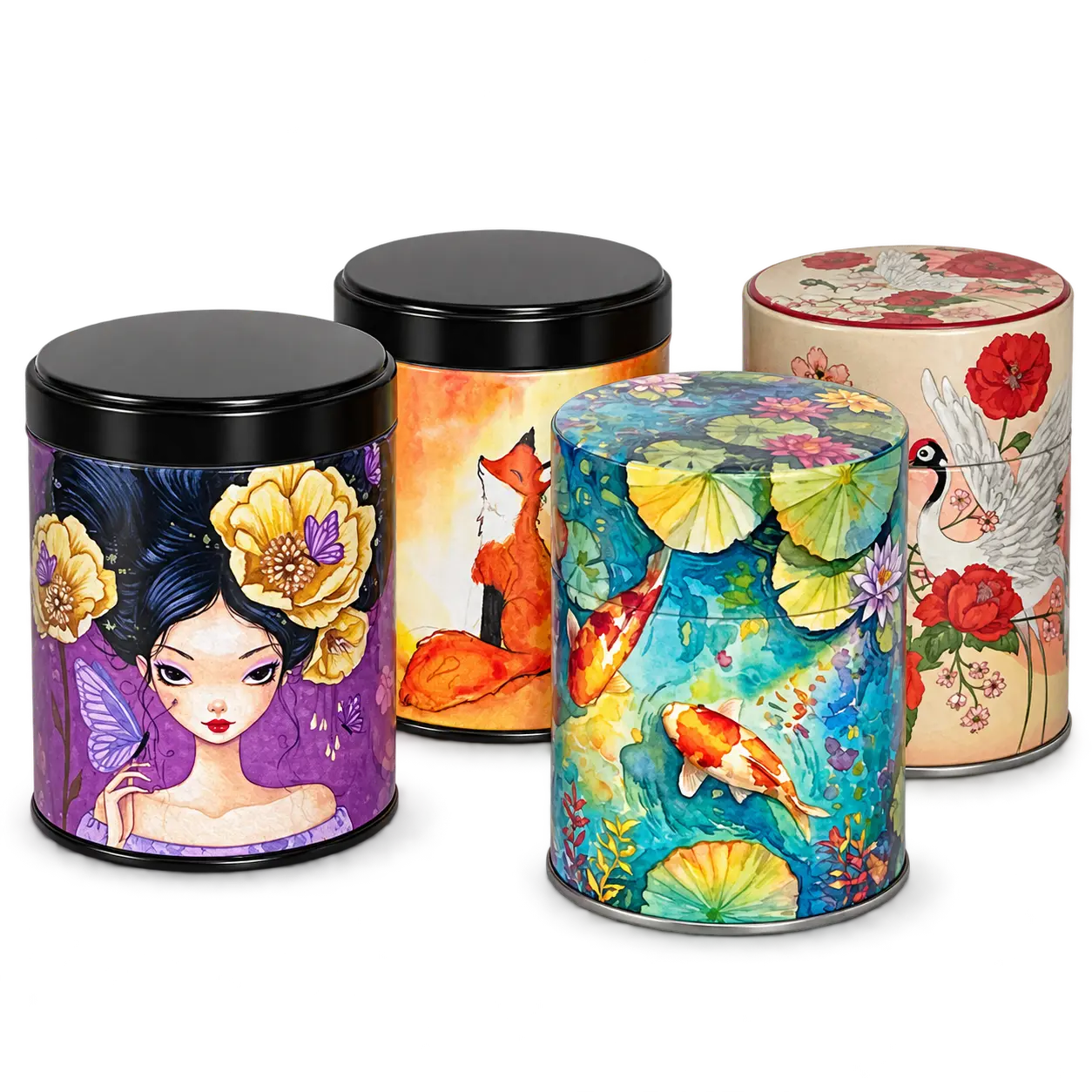
And of course we always have a collection of tea tins with cranes on them:
-
 Boîte à thé empilable papier washi – Minabe10,90€
-
Petite boîte à thé 20g papier washi – Minabe5,40€
-
Boîte à thé 150g papier washi – Minabe19,90€
-
Petite boîte à thé 50g papier washi – Minabe6,90€
-
Boîte à thé traditionnelle papier washi – Minabe15,90€
-
Petite boîte à thé 20g papier washi – Norisuke5,40€
-
Petite boîte à thé 20g papier washi – Kuren5,40€